
- News
- City News
- delhi News
- To dilute Covid gloom, whet your appetite for tradition this Holi
Trending
This story is from March 26, 2021
To dilute Covid gloom, whet your appetite for tradition this Holi
Rang, bhang and large boisterous gatherings, these are the pop images we associate with Holi, the festival of colours, when the otherwise rigid Indian social structures are loosened for a bit of fun and frolic.
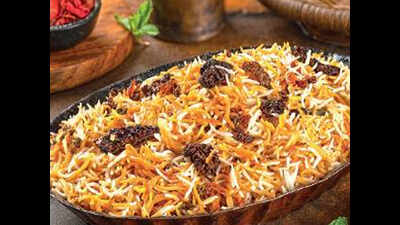

Most people do not realise that Holi is not a one- or two-day festival. In fact, if you are reading this in the early hours, you are in the midst of Rang Pashi, the first day of Holi that began on Wednesday, celebrated by various communities on either ekadashi or dwadashi (the 11th or 12th day of the waxing moon, according to the lunar calendar). Over time, this tithi has been forgotten, but in traditional homes, this is the day when gujiyas and papdi (thin and fried besan discs, different from the maida papdi of chatwallas) were made and the ritual of rang chhidkayi on elder members of the family (who then offered token sums of money to youngsters as gifts) was practised.
Rang Pashi, thus, was a day for the family. The women of the household were gifted specially-made pink mulmul sarees with gota and kinari embellishment called dandia, which they wore on rang pasha and then played Holi in. In fact, while most people associate Holi boisterousness with Rang Barse, the famous Silsila song, if you take your eyes off the Amitabh-Rekha pair and pay close attention, you will notice Jaya Bachchan wearing a dandia. These beautiful sarees were made months in advance of the festival and were an important gift to daughters and daughters-in-law, but that craftsmanship is now lost.
Rang Pashi, literally to water in a nurturing way (the word pashi connotes the act of irrigation), may have inspired the Mughal name for Holi too: Aab-e-Pashi (aab meaning water). It was celebrated with the same spirit of joy by Mughal aristocracy from the time of Jehangir to Bahadur Shah Zafar, making the festival symbolic of the country’s syncretic spirit. A common food associated with the syncretic spirit of Holi is meethe chawal, coloured with turmeric.
Part of this culture was also poetry and music associated with Holi. However, while mushairas such as the famous Shankar-Shaad mushaira at Modern School Barakhamba Road, or Hasya Kavi sammelans typically held this time of the year were public affairs, more intimate family celebrations comprised singing of traditional “horis”, semi-classical or folk songs, typically with Krishna-Radha paying in Braj themes. Some of these horis go back a few hundred years and were written when Shahjahanabad was the cultural capital of India. This year, do rediscover these.
We know that colours were made of flowers like tesu or palash, but the flower, according to Ayurveda, has therapeutic cooling properties too. In fact, traditionally, in some parts of India people would tie them in their turbans or cloths tied to their heads to protect themselves from the hot summer wind. Around Holi, a cooling sherbet was made by some families by soaking the flowers in water and seasoned with fennel, lime, black salt, etc. The recipes can be found online.
But Old Delhi’s typical Holi time treat is kaanji-bade, fermented mustard seed water with moong dal badas soaked in it. While the black carrot kanji is a winter drink, kanji-bada fermented in earthen pots connote Holi and are a probiotic eat that you can make easily at home or even order from restaurants.
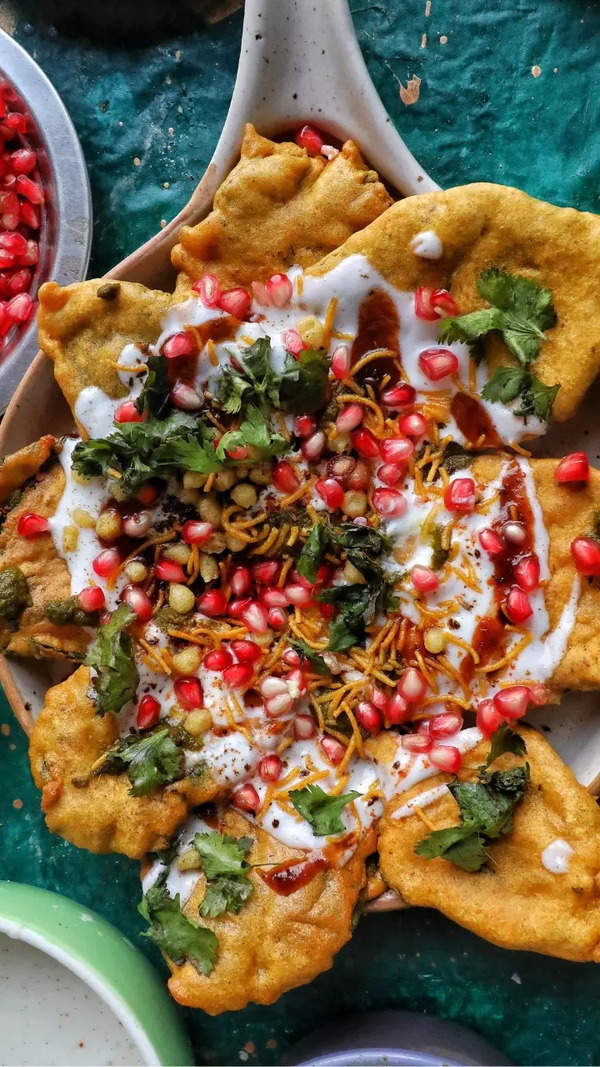
Then there is chaat whose season only began with Holi, since chaat masalas made of typically pungent spices like back pepper were thought to be therapeutic in spring. Some disappearing chaats of Delhi include fruit cups or kulle filled with chickpeas in a tangy lime dressing, garnished with slivers of ginger, and sans dahi-saunth. Then, there is the Delhi aloo tikki, stuffed with chana daal for better texture, cut into halves and served with saunth and coriander chutney. If you are more ambitious, you could make dahi gujiyas, crescent shaped dahi bada cousins, stuffed with chironjee and desiccated coconut, another dying art.
In our new celebrations, it may be time to go back to the old.
End of Article
FOLLOW US ON SOCIAL MEDIA





Photostories

Hot Picks
TOP TRENDING
Popular Categories
Hot on the Web
Top Trends
Trending Topics
Living and entertainment
Latest News
First person died in UK from ‘liquid’ Brazilian butt lift: All you need to know about liquid BBL and risks it poses8 Spices that can help reduce high blood sugarDiddy's Lawyer defends buying 1000 Bottles of baby oil to pass Homeland security raidsShankar to bring Chiyaan Vikram and Suriya together for a film on the Velpari novelThere’s plastic in your chai-samosa, and India is No. 1 culpritKerala lottery results: Karunya Plus KN-540 winners for 26 September 2024; first prize Rs. 80 lakhs, second prize Rs 10 lakh and third prize Rs. 1 lakhLeo, Daily Horoscope Today, September 26, 2024: Positive developments are expected in love lifeDelhi high court extends interim arrest protection for former IAS officer Puja Khedkar'I'm not upset with Kangana but ... ': Chirag Paswan as Mandi MP apologises for farm law remarkThe most important lesson investors can learn from trekkersChennaiyin FC eye second win on the trot in Indian Super LeagueTaliban could face Hague tribunal for their treatment of women and girlsCandidates Protest Outside JSSC Office, Accuse Malpractice in Recruitment Exam“The Chiefs get way more calls”: Rob Gronkowski says that the Chiefs gets more favorable calls than the PatriotsMaharashtra polls: Mumbai's Byculla & Versova seats are sticking points in MVA talksGmail app on Android and iOS is getting Google’s blue verification checkmarks: Here's how it'll affect usersTop 5 WWE’s tallest wrestlers from Giant Gonzalez to The Great Khali'Bhool Bhulaiyaa 3' new poster: Kartik Aaryan reveals 'Rooh Baba Vs Manjulika' face off
Copyright © 2024 Bennett, Coleman & Co. Ltd. All rights reserved. For reprint rights: Times Syndication Service